Autism Welfare Foundation

Assessment

Even though a child cannot "outgrow" autism, studies indicate that early diagnosis and intervention can lead to significantly improved outcomes.
Screening and diagnostic assessments are offered at AWF, following detailed observations and interactions with the child, as well as comprehensive interviews with family members. Internationally standardized diagnostic criteria (DSM-5) and a variety of standardized screening and diagnostic instruments including Checklist for Autism in Toddlers–Modified (M- CHAT), Psychological Assessment are administered. Determining related disorders and differentiating ASD from other disorders are a crucial aspect of this practice. Parents are also provided information on autism and services necessary to start an intervention program.

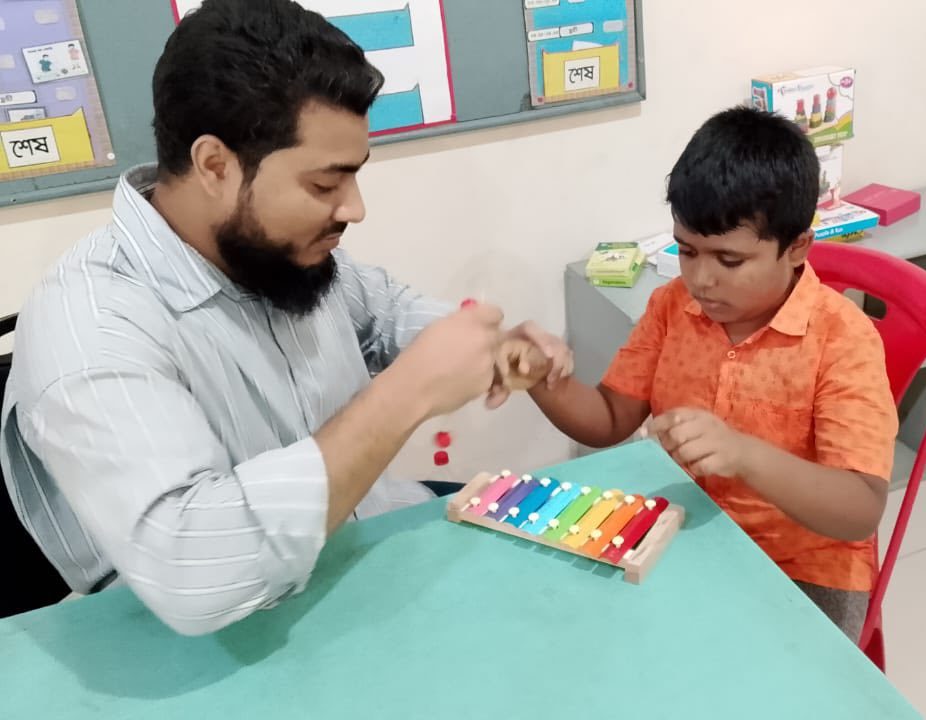
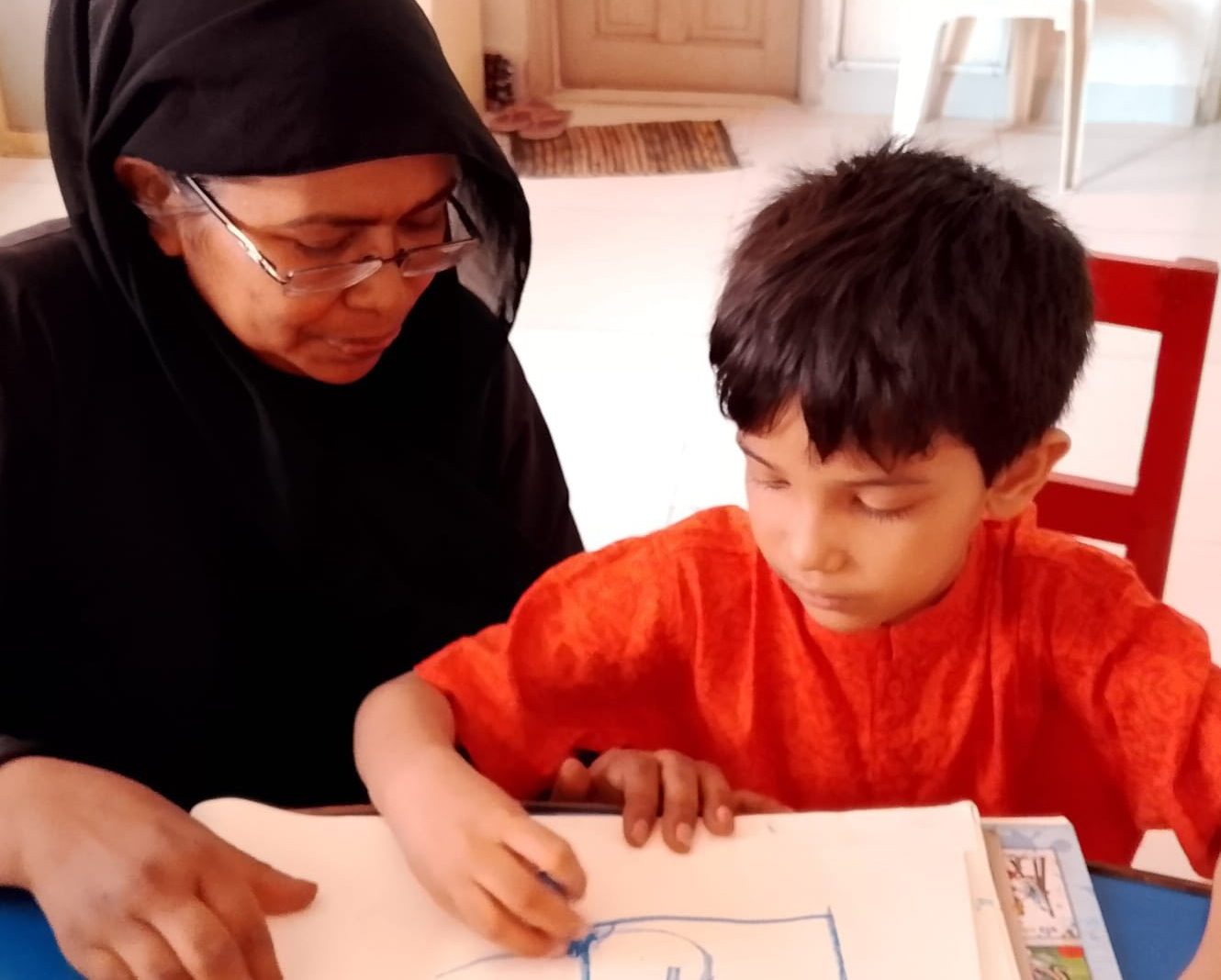
Autism is marked by the development of an uneven profile of skills. Functional assessments provide an insight on the current level of performance of the child in various skill areas such as motor, speech, communication, imitation, cognition and activities of daily living (ADLs). The assessment is conducted over multiple sessions through a series of direct work shifts with the child, in addition to observation and discussion with the family.

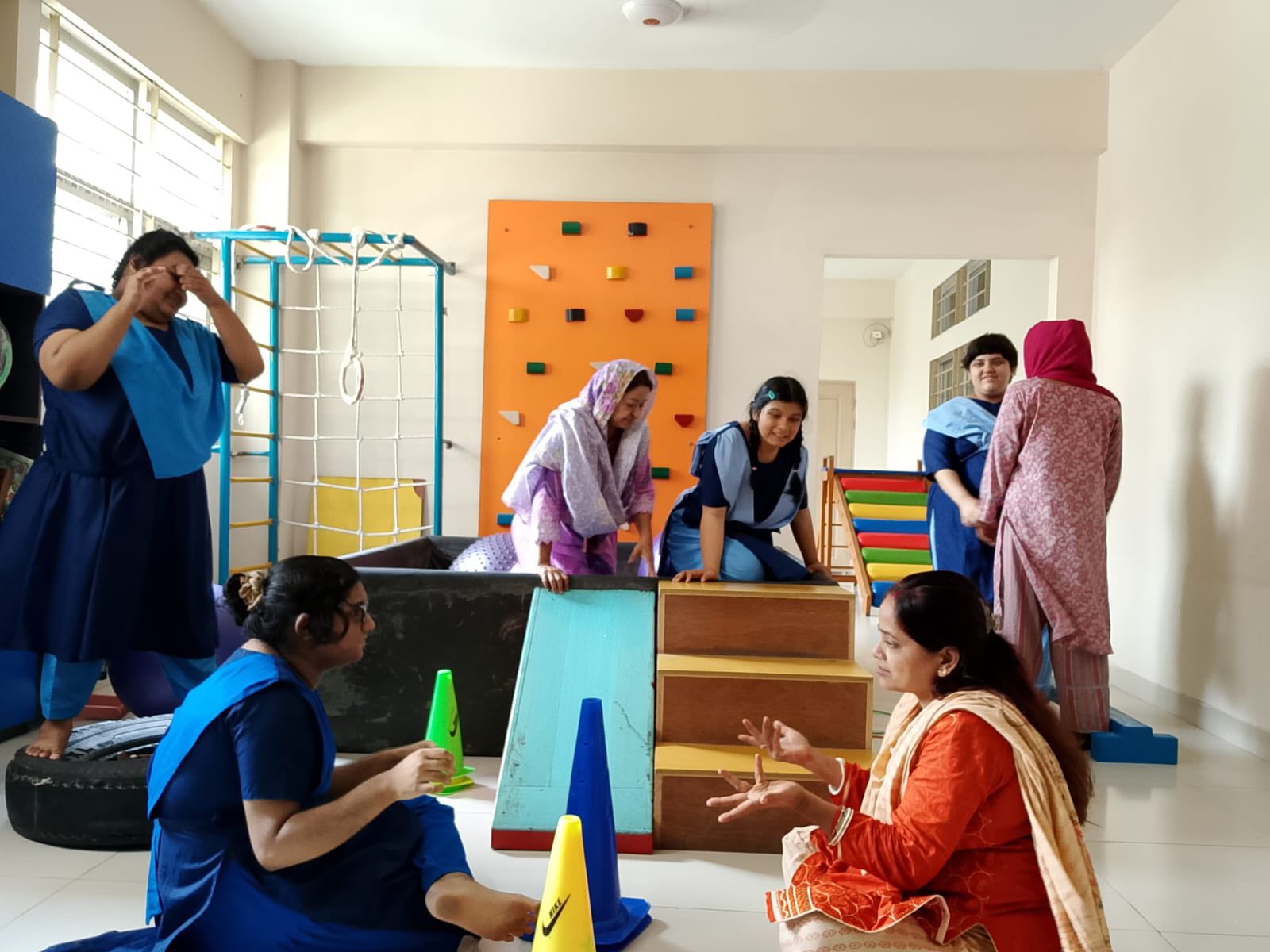
A detailed assessment of the child is composed based on a sensory profile questionnaire which addresses all sensory systems in depth. A comprehensive evaluation of the child is done using observation and feedback from parents. The assessment provides a base for all subsequent interventions for the child. In addition to full time occupational services to all students with ASD, AWF also provides classroom based Occupational Therapy (OT) services, and has successfully created a specialized sensory corner in every classroom.

After a child is diagnosed, he or she begins benefiting from one of the many specialized intervention approaches to treatment and education offered at AWF. In this case, regular follow- up service is very significant. AWF has provision of follow-up services tailored to these children through which parents can bring their children at AWF clinic as per given schedule.

Patients living outside Dhaka are often unable to attend the clinic at AWF regularly. For them, AWF has successfully managed to extend their services. Outstation families visit AWF and receive an intensive program of observation, counselling, and work sessions with the child. Depending on their duration of stay, assessments and curriculum planning may also be carried out. Because the characteristics and behaviours of people with autism vary so widely, the individualized nature of these programs is particularly crucial, and parents are encouraged to stay in touch with AWF to make modifications and implement additional skills. Table below shows that from 2004 till 2023, about 4124 patients have received outdoor package services under AWF.